Reinvent Your Space: Innovative Ways to Incorporate Sliding Door Solutions in Interior Design
Sliding doors have become a practical yet stylish choice in today's interior design landscape. They provide versatility in how space is used, enabling homeowners to establish separate zones without sacrificing openness. Their varied styles and finishes can complement any interior aesthetic. Yet, the possible uses of sliding doors extend far beyond visual appeal. Learning how to strategically use them could redefine a home's practical layout. What creative applications might homeowners uncover?
Finding the Best Sliding Door Style for Your Home
When choosing a sliding door design for a home, homeowners should consider both visual appeal and practicality. The choice of material plays a vital role; options such as glass, wood, or metal can considerably affect the overall aesthetic and ambiance of a space. For a contemporary look, minimalist glass doors may offer a sophisticated element, while wooden doors can evoke warmth and a rustic charm.
Furthermore, the door layout is important. Sliding doors in single, double, or pocket configurations each offer distinct advantages, according to the size and layout of the space. Homeowners should also consider the color and finish of the door, making sure it harmonizes with the existing décor and creates a cohesive look.
Lastly, energy efficiency is an important factor; selecting insulated options can help maintain comfortable temperatures. By balancing style with practical needs, homeowners can improve their living areas by selecting the ideal sliding door.
How to Enhance Natural Light Using Sliding Doors
Enhancing natural light through sliding doors can completely change a room, producing a welcoming and open environment. To bring this vision to life, homeowners may want to explore the option of fitting large glass sliding doors that welcome abundant natural light. Opting for frameless designs can further enhance this openness, minimizing barriers to consult now light flow.
Positioning sliding doors strategically, such as overlooking a outdoor space or patio, strengthens the relationship between indoor and outdoor environments. Additionally, incorporating reflective surfaces, including mirrors or pale-toned decor, can amplify the natural light allowed in by the doors.
Choosing light-filtering or sheer drapes can copyright privacy while still enabling sunlight to filter through. Moreover, choosing sliding doors that open completely eliminates obstructions, thus enhancing the visual and physical space. By thoughtfully evaluating design elements and placement, sliding doors can serve as a beautiful conduit for natural light, elevating the overall environment of any indoor setting.
Why Use Sliding Doors as Room Dividers
Sliding doors act as efficient partition solutions, enhancing space utilization in a variety of interior designs. They provide adaptable arrangements while preserving an open atmosphere, improving the overall circulation of a room. Moreover, these doors improve natural light distribution, producing a lighter and more welcoming atmosphere.
Space Optimization Advantages
Utilizing sliding doors as room dividers transforms spaces by improving both functionality and aesthetics. These doors provide a adaptable solution for optimizing space, permitting areas to be reorganized easily according to preferences. Unlike traditional doors, sliding doors do not require swing space, making them ideal for smaller rooms where every inch is valuable. This characteristic facilitates more productive use of available floor space, supporting furniture arrangements that might otherwise be problematic. Additionally, sliding doors can create distinct zones within open-concept areas, offering privacy when needed while retaining an airy feel. Their flexibility allows seamless shifts between spaces, leading to a more efficient and streamlined environment, ultimately improving the overall living experience.
Boosted Natural Illumination
Natural light is a key factor in elevating the character of interior environments, and sliding doors provide an excellent way to maximize this feature. By incorporating sliding doors as room dividers, homeowners can create a seamless flow of light between areas, decreasing dependence on man-made light sources. These doors, typically made from glass, enable sunlight to reach further into the home, illuminating even the darkest areas. Moreover, they deliver adaptability in styling; once open, they generate a spacious atmosphere, causing rooms to feel bigger and more open. This flexibility not only boosts natural illumination but also encourages a bond with the natural surroundings, inviting the surrounding environment into the living space. Ultimately, sliding doors can transform how light interacts within a home.
Sliding Doors for Enhanced Privacy
As many homeowners look for openness in their home spaces, installing sliding doors can considerably boost privacy without giving up style. These adaptable elements enable the formation of private zones within an otherwise open floor plan. As an example, sliding doors can efficiently divide a home office from the primary living area, creating a tranquil haven for work or study.
Additionally, patterned or frosted glass choices can provide a degree of privacy while still permitting light to filter into the area. This equilibrium between privacy and brightness is particularly advantageous in metropolitan areas, where noise and visual distractions are prevalent. Moreover, sliding doors serve well to disguise storage areas or utility rooms, sustaining a well-kept aesthetic throughout the entire home. With the mindful integration of sliding doors, homeowners can embrace the dual advantages of seclusion and sophistication, crafting welcoming and versatile areas that suit their lifestyle.
Innovative Spots for Sliding Doors Throughout Your Home
Sliding doors can be strategically placed in various locations throughout a home to improve both practicality and visual appeal. In open-layout environments, they serve as seamless dividers, enabling adaptable room arrangements while maintaining a sense of openness. Placing sliding doors between the lounge and dining space can facilitate easy changes during gatherings.
In bedrooms, sliding doors can provide convenient access to closets or en-suite bathrooms, optimizing space while reducing clutter. They may also connect to outdoor patios, blurring the lines between indoor and outdoor living.
Additionally, they can be integrated into home offices, enabling privacy when needed, yet easily pulling back to encourage collaboration. To conclude, adding sliding doors in hallways can create elegant storage solutions or reading nooks. All of these areas elevates both the functionality and aesthetic appeal of a home, showcasing the range of sliding door designs.
Care Tips for Long-Lasting Sliding Doors
To keep sliding doors continue to be in good working condition and looking their best, regular maintenance is essential. Maintaining a steady cleaning regimen helps prevent the buildup of dirt and debris, while periodic inspections of the rollers can identify potential issues before they escalate. These practices contribute to the longevity and smooth operation of sliding doors throughout any environment.
Regular Cleaning Schedule
A regular upkeep plan is essential for maintaining the practicality and visual appeal of sliding doors. Routine dusting stops dirt from building up, which can cause scratches and reduce aesthetic value. Applying a soft cloth and light detergent, you should clean the glass and frame each week to maintain a clean and polished finish. In addition, attention should be paid to the tracks, as accumulated debris may block motion; a brush or vacuum can thoroughly remove debris from this section. It is strongly recommended to check for any signs of moisture or mildew, most notably in moisture-prone spaces, and treat them without delay. By following this maintenance schedule, residents can maximize the durability of their sliding doors while preserving their aesthetic appeal and functionality.
Check Rollers Regularly
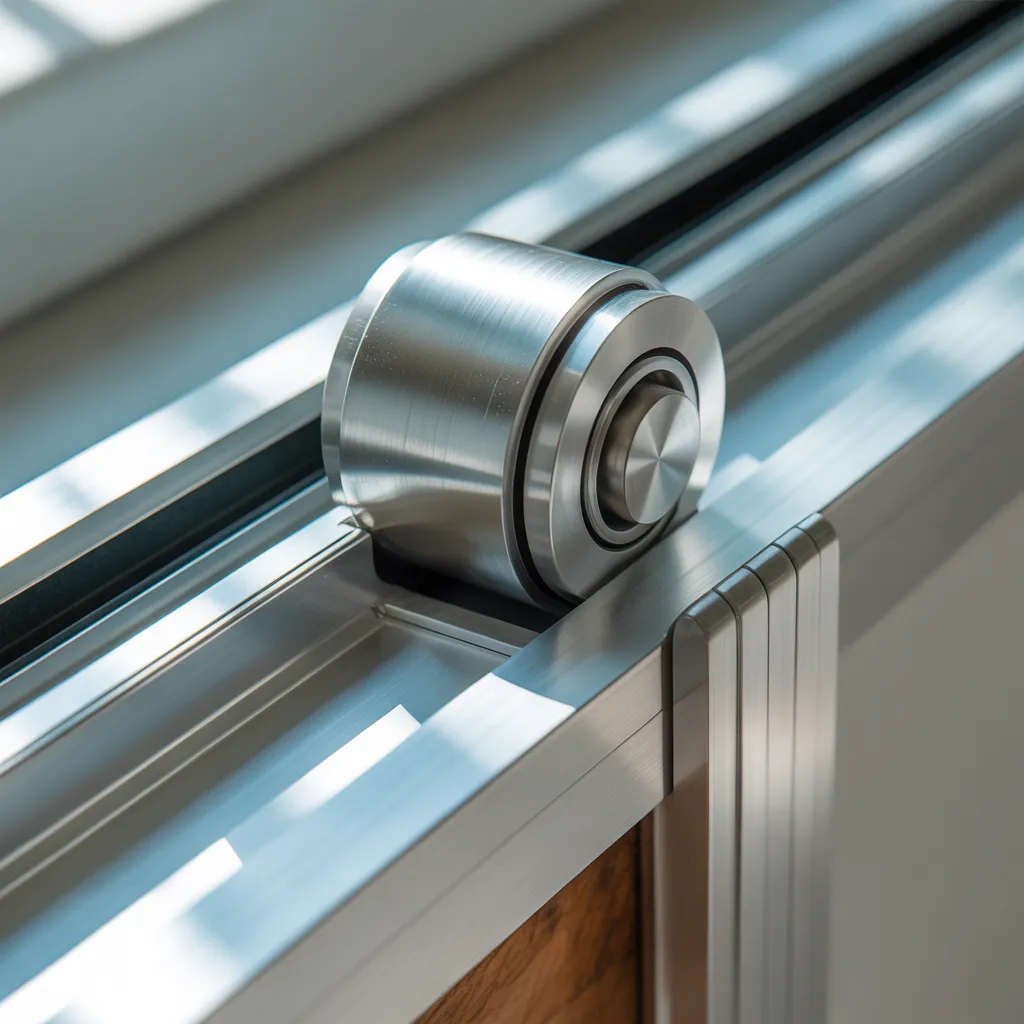
Consistently checking the rollers of sliding doors is crucial for guaranteeing seamless performance and extended lifespan. These components are vital for the door's operation, and any deterioration or harm can lead to operational issues. It is wise to check for debris, dirt, or rust that may impede functionality. Additionally, assessing the orientation of the rollers can avoid additional issues, such as displacement or obstruction. If any issues are identified, addressing the roller replacement quickly can save time and money in future repairs. Lubricating the rollers with suitable solutions can also improve their functionality and prolong their durability. By incorporating this simple maintenance step, homeowners can appreciate the visual and practical advantages of sliding doors well into the future.

Common Questions and Answers
Can Sliding Doors Be Used in Small Spaces Effectively?
Sliding doors prove highly practical in limited spaces, as they demand no rotational clearance, maximizing floor area. Their versatility allows for innovative room separation and increased natural light, fostering a bright and open environment.
Which Materials Work Best for Sliding Doors?
Glass, wood, and metal serve as excellent materials for sliding doors, each offering unique aesthetics and functionality. Wood provides warmth, glass enhances light flow, and metal brings exceptional strength and durability, accommodating a wide range of design preferences and spatial needs.
What Impact Do Sliding Doors Have on Home Resale Value?
Sliding doors can significantly boost home resale value by enhancing aesthetics, improving space efficiency, and increasing natural light. Buyers often appreciate modern features, making properties with sliding doors more appealing in competitive real estate markets.
Are Sliding Doors Energy-Efficient?
Sliding doors have the potential to be highly energy-efficient when installation and insulation are done properly. Their wide glass surfaces let in natural light, but premium materials and proper seals are vital to limit heat transfer, improving the overall energy efficiency of a home.
Can I Install Sliding Doors Myself?
Certainly, it is possible to install sliding doors independently, as long as you have essential woodworking abilities and the appropriate equipment. However, following manufacturer guidelines and confirming precise measurements remains important for a successful installation and ideal functionality.
Comments on “Install Sliding Doors for Contemporary Design”